
Europe’s technology landscape continues to evolve at an extraordinary pace. While innovation remains at the center of the industry, one of the most significant shifts over the past few years has been the increasing influence of women in leadership, engineering, data science, and technology entrepreneurship.
Events such as European Women in Tech bring together thousands of professionals, innovators, investors, and business leaders who share a common goal: advancing technology while building a more diverse and inclusive industry.
As Europe continues to invest heavily in digital transformation, AI, cybersecurity, fintech, and sustainability initiatives, the role of women in shaping the future of technology becomes increasingly important. Here are the key trends currently redefining Europe’s technology ecosystem.
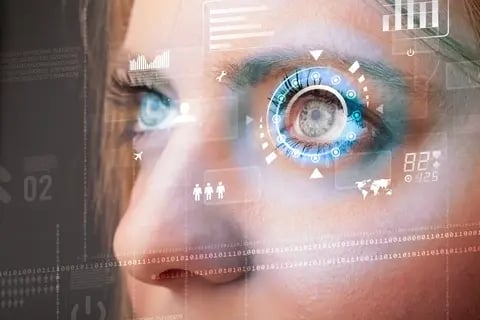
Women Continue to Influence Europe's Tech Sector
Although women remain underrepresented in many technical roles, progress is steadily being made across Europe. Technology companies increasingly recognize that diverse teams drive stronger innovation, better decision-making, and improved business outcomes.
More women are moving into executive positions, founding technology startups, leading research initiatives, and influencing major investments across the continent. This shift is also changing how products are designed, marketed, and developed, allowing organizations to better serve increasingly diverse customer bases.
For international companies expanding into Europe, access to diverse talent pools has become a strategic advantage rather than simply a corporate responsibility initiative.
Artificial Intelligence Moves from Experimentation to Business Transformation
Artificial Intelligence remains one of the most influential technologies across Europe. While AI adoption initially focused on automation and efficiency improvements, organizations are now using AI to transform entire business models.
Companies across industries are investing in:
- Generative AI solutions
- Predictive analytics
- Intelligent automation
- AI-powered customer experiences
- Decision-support systems
Healthcare, manufacturing, finance, logistics, and retail continue to be among the largest adopters of AI technologies.
Organizations are increasingly focusing on practical AI implementation rather than experimentation, prioritizing solutions that deliver measurable business outcomes and operational improvements.
AI's Growing Impact on Healthcare
Healthcare remains one of the most promising sectors for AI innovation.
European healthcare providers and technology companies are leveraging AI to support:
- Early disease detection
- Medical imaging analysis
- Personalized treatment planning
- Drug discovery
- Administrative automation
As healthcare systems face increasing pressure from aging populations and workforce shortages, AI is becoming a critical tool for improving both efficiency and patient outcomes.
Cybersecurity Becomes a Board-Level Priority
As digital transformation accelerates, cybersecurity has evolved from an IT concern into a business-critical issue.
Organizations face increasingly sophisticated threats, including:
- Ransomware attacks
- Data breaches
- Supply chain vulnerabilities
- Social engineering attacks
- AI-powered cyber threats
At the same time, stricter European regulations and data protection requirements continue to drive investment in security technologies and cybersecurity talent.
This growing demand has created significant opportunities for European technology companies specializing in:
- Identity management
- Endpoint protection
- Cloud security
- Compliance automation
- Security operations platforms
For many businesses, cybersecurity is no longer viewed as a cost center but as a competitive advantage.
FinTech Continues to Drive Innovation Across Europe
Europe remains one of the world's most active fintech ecosystems.
Digital banking, embedded finance, payment innovations, and wealth management solutions continue to reshape how businesses and consumers manage financial services.
Several trends are driving this growth:
Wealth Management Platforms
Generational wealth transfer is creating demand for modern investment and wealth management platforms.
Younger investors increasingly expect:
- Mobile-first experiences
- Real-time financial visibility
- Personalized investment recommendations
- Automated portfolio management
As a result, fintech companies are developing solutions that make sophisticated financial tools accessible to a broader audience.
Embedded Finance
Many businesses are integrating financial services directly into their products and platforms.
From payment processing to lending and insurance, embedded finance is becoming a major growth area across Europe, creating opportunities for both established financial institutions and emerging fintech providers.
Sustainability Technology Gains Momentum
Sustainability remains one of Europe's strongest innovation drivers.
Governments, investors, and businesses are actively supporting technologies that reduce environmental impact while improving operational efficiency.
Areas attracting significant investment include:
- Renewable energy solutions
- Smart building technologies
- Circular economy platforms
- Carbon tracking software
- Energy efficiency systems
Technology companies are increasingly expected to demonstrate how their solutions contribute to environmental goals alongside traditional business performance metrics.
This combination of economic opportunity and environmental responsibility is fueling continued growth across Europe’s sustainability-focused technology sector.
The Evolution of Remote and Hybrid Work
The workplace transformation that began several years ago continues to influence technology investment decisions.
Rather than focusing solely on remote work, organizations are now optimizing hybrid work environments by investing in technologies that improve collaboration, productivity, and employee engagement.
Growing areas include:
- Workforce management platforms
- Digital collaboration tools
- Employee wellbeing technologies
- HR automation solutions
- Project management software
Organizations are seeking ways to maintain flexibility while improving communication, culture, and business performance across distributed teams.
Data Privacy and Digital Trust Remain Essential
As organizations collect and process larger volumes of data, trust has become a critical competitive differentiator.
Customers, employees, and regulators increasingly expect organizations to demonstrate transparency regarding:
- Data usage
- Privacy protections
- AI governance
- Security practices
- Regulatory compliance
Companies that successfully build digital trust are often better positioned to strengthen customer relationships and accelerate technology adoption.
This has created growing demand for solutions focused on privacy management, governance, compliance automation, and secure data infrastructure.
Key Takeaways
Europe's technology landscape continues to be shaped by several powerful forces: artificial intelligence, cybersecurity, fintech innovation, sustainability initiatives, and evolving workplace models.
At the same time, women are playing an increasingly important role in driving innovation, leadership, and strategic decision-making across the technology sector.
For businesses operating in Europe or planning expansion into the region, understanding these trends is essential for building competitive strategies, attracting talent, and identifying new market opportunities.
The pace of innovation shows no signs of slowing down, making Europe one of the most exciting technology markets to watch in the years ahead.

Related articles
-

Our Tradeshow Journey Across Europe
Last updated: 27 October 2025From Caravan Salon to IBC, discover the insights, innovations, and trends shaping industries across...
Read more -
From Strategy to Success: EuroDev’s Crane Automation Win in Europe
Last updated: 27 August 2025Discover how EuroDev helped to bring advanced crane automation from Canada to Europe, securing a...
Read more -

Upcoming Aerospace & Defense Events + Paris Air Show Recap
Last updated: 18 July 2025Explore key takeaways from the Paris Air Show and discover what’s ahead in aerospace and defense at...
Read more