
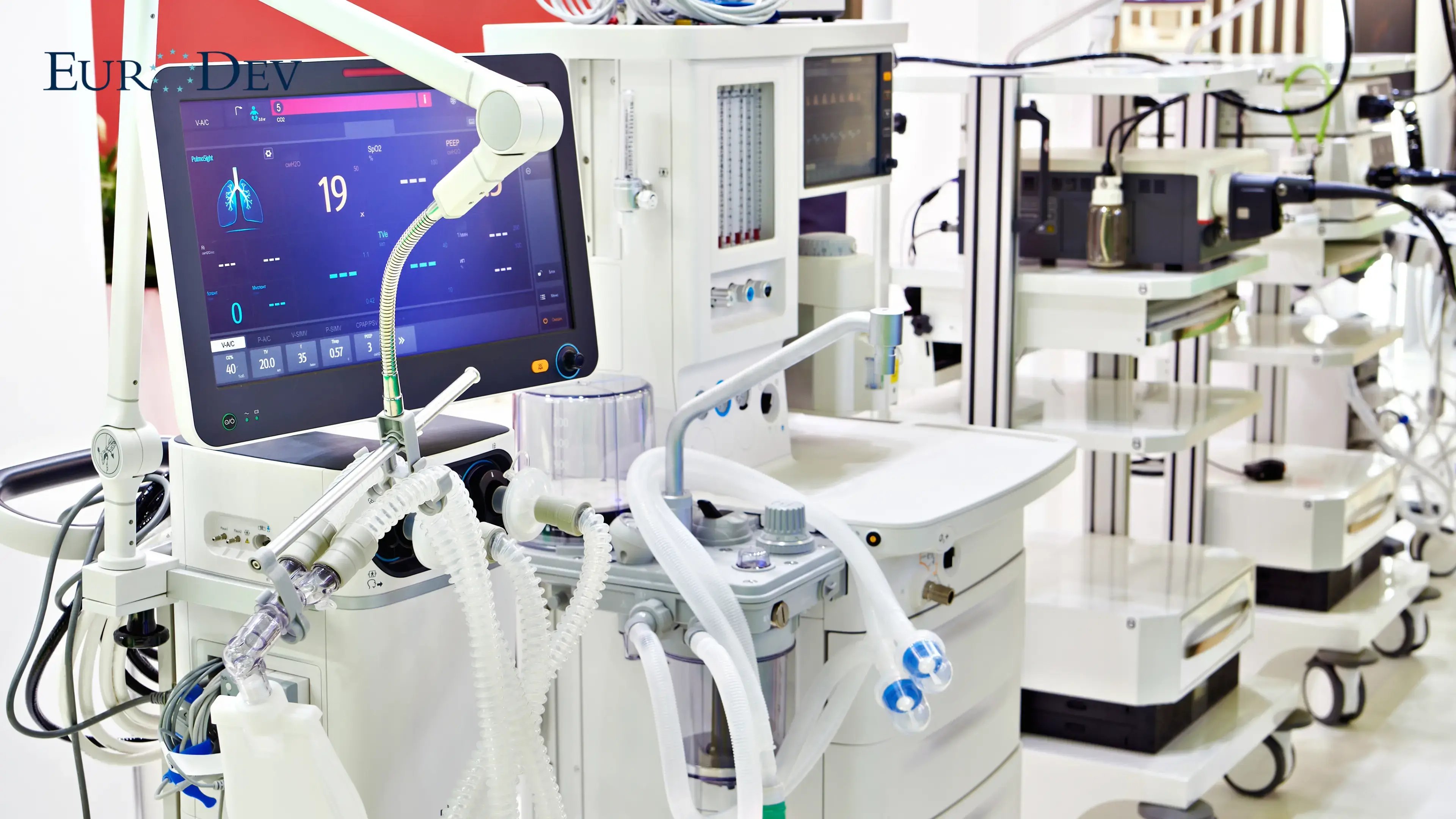
The availability of medical equipment and essential healthcare supplies has become a strategic priority across Europe. While past disruptions highlighted vulnerabilities in supply chains, they also accelerated the development of more coordinated and resilient systems at the EU level.
Today, the European Union is no longer focused solely on reacting to shortages. Instead, it is building long‑term frameworks to ensure the availability, accessibility, and rapid deployment of critical medical supplies during future crises.
This article explores how the EU is strengthening its medical supply resilience and what this means for companies involved in healthcare manufacturing, distribution, and market entry.
Why did medical equipment shortages become a major issue?
Healthcare supply disruptions can occur when demand suddenly exceeds production capacity or when supply chains are interrupted. During large‑scale crises, shortages can affect essential products such as personal protective equipment, medicines, and medical devices.
In Europe, shortages highlighted several structural challenges:
- Dependence on global supply chains
- Limited coordinated stockpiling across countries
- Fragmented procurement processes
- Lack of real‑time visibility into supply and demand
These challenges led to a shift in focus from short‑term emergency response to long‑term preparedness and coordination at the EU level.
How is the EU strengthening medical supply chains?
The EU has introduced a range of coordinated measures to improve resilience across member states. These efforts focus on ensuring continuity of supply, improving cooperation, and enhancing preparedness for future crises.
One key development is the move toward integrated supply chain management, combining national and EU‑level initiatives. This includes stronger collaboration between governments, manufacturers, and healthcare providers to ensure critical supplies can be produced, transported, and distributed efficiently.
In addition, the EU has prioritised:
- Greater transparency around supply availability
- Cross‑border coordination within the Single Market
- Partnerships with third‑country suppliers to diversify sourcing
These measures aim to reduce dependency on single supply routes and improve system flexibility.
What mechanisms are now in place to prevent shortages?
1) Strategic stockpiling and preparedness
The EU has developed coordinated approaches to stockpiling essential medical supplies and other critical goods. These initiatives are designed to ensure that key equipment and medicines remain available during emergencies, rather than relying solely on reactive procurement.
Stockpiling efforts are supported by cooperation between member states, shared data on supply levels, and EU‑level reserves that can be deployed where needed.
2) Joint procurement of medical supplies
One of the most important structural tools is the Joint Procurement Agreement (JPA), which allows EU countries to purchase medical equipment and supplies together.
This coordinated approach:
- Improves access to critical supplies
- Reduces competition between countries
- Strengthens negotiating power with suppliers
- Enables faster procurement during emergencies
Joint procurement has evolved into a key pillar of EU‑level crisis response and long‑term resilience.
3) Strengthening crisis preparedness through coordination
The EU has also reinforced its ability to respond to health emergencies through coordinated frameworks and agencies focused on preparedness and response.
These initiatives aim to:
- Monitor potential shortages across countries
- Coordinate distribution priorities
- Support production scaling during crises
- Facilitate faster regulatory and operational decisions
This shift reflects a broader move toward a more integrated European Health Union approach to crisis preparedness.
4) Supply chain diversification and production capacity
To reduce vulnerability, the EU is encouraging diversification of supply sources and strengthening regional production capacity.
This includes:
- Expanding partnerships with international suppliers
- Supporting European manufacturing capabilities
- Encouraging flexibility in production and logistics
The objective is not to eliminate global supply chains, but to make them more adaptable and less prone to disruption.
What does this mean for international healthcare companies?
The EU’s approach to preventing medical equipment shortages has important implications for companies operating in or entering the European market.
Manufacturers and suppliers must be prepared to:
- Align with EU‑level procurement frameworks
- Respond to coordinated purchasing and stockpiling initiatives
- Demonstrate reliability in supply chain continuity
- Adapt to evolving regulatory and distribution requirements
At the same time, these developments create opportunities for companies that can support resilience, scalability, and supply diversification within European healthcare systems.
Key takeaways
- The EU has shifted from reactive crisis management to long-term healthcare supply resilience
- Strategic stockpiling and joint procurement are central to preventing future shortages
- Cross‑border coordination plays a critical role in maintaining supply availability
- Supply chain diversification is reducing dependence on single markets or providers
- International companies can benefit by aligning with EU procurement and resilience strategies
Sources
This article is based on publicly available European Commission publications, regulatory guidance, and industry analysis related to healthcare supply chains and crisis preparedness, including:
- EU Joint Procurement Agreement frameworks for coordinated purchasing of medical countermeasures
- EU stockpiling and preparedness strategies aimed at strengthening long‑term healthcare supply resilience
Written by the MedTech & Life Sciences team at EuroDev.

Related articles
-

The 10 Mistakes US MedTech Companies Make When Entering Europe
Last updated: 27 August 2026Discover the 10 biggest mistakes US MedTech companies make when entering Europe, from MDR...
Read more -

MDR vs. FDA 510(k): Where U.S. Playbooks Break in Europe (and How to Fix Them)
Last updated: 2 March 2026Learn the key differences between FDA 510(k) and EU MDR, including classification changes, clinical...
Read more -
Expanding Non-Invasive Monitoring Tech into Europe: A Path for North American Innovators
Last updated: 26 August 2025Europe’s healthcare systems need scalable, non-invasive monitoring tools. Discover key...
Read more