
The global healthcare industry continues to evolve through innovation, regulation, and changing care models. For medical and healthcare companies, staying close to these developments is essential, particularly when considering international expansion.
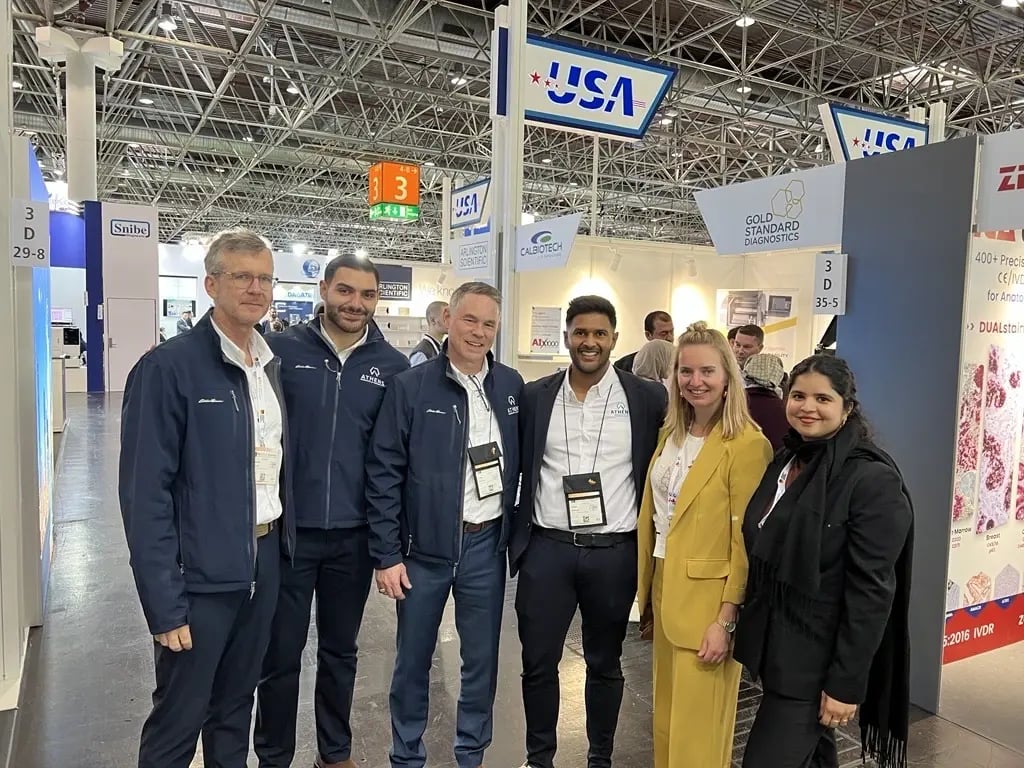
One of the most effective ways to understand European healthcare dynamics and establish market presence is through participation in major industry trade fairs. MEDICA, held annually in Düsseldorf, has become a central meeting point for healthcare professionals, manufacturers, and decision‑makers worldwide.
This article explores why MEDICA plays a critical role in European market entry and how companies can use the event strategically to support long‑term expansion into Europe.
How does COMPAMED complement MEDICA?
While MEDICA focuses on healthcare solutions, clinical applications, and finished medical technologies, COMPAMED runs alongside the event as the leading trade fair for the medical technology supply industry.
COMPAMED is particularly relevant for manufacturers, suppliers, and developers of components, materials, and production technologies. Together, MEDICA and COMPAMED cover the entire medical technology value chain, from manufacturing and sourcing to clinical adoption and market entry.
What is MEDICA and why is it so influential?
MEDICA is widely recognised as the world’s largest medical trade fair. Over decades, it has evolved into a global platform that brings together stakeholders from across the healthcare ecosystem.
The event covers a broad spectrum of healthcare areas, including medical technology, diagnostics, laboratory equipment, healthcare IT, and digital health solutions.
Rather than serving as a product‑launch event alone, MEDICA functions as a strategic meeting ground where commercial, clinical, and regulatory conversations converge.
Why is MEDICA important for companies entering Europe?
1) Market visibility and positioning
MEDICA provides access to a highly international audience, making it an effective entry point for companies seeking visibility across European markets. The diversity of attendees enables businesses to introduce their solutions to potential customers, distributors, and partners from multiple countries in a single setting.
For companies unfamiliar with Europe’s fragmented market structure, the event offers a first opportunity to assess market interest and positioning without committing to a single country entry prematurely.
2) Strategic networking across the healthcare ecosystem
Networking is one of MEDICA’s strongest strategic advantages. The event attracts healthcare professionals, procurement specialists, distributors, researchers, and institutional stakeholders.
These interactions help companies understand buying structures, decision‑making processes, and partnership models that differ significantly from those in North America or other regions. Early relationship‑building at MEDICA often lays the groundwork for distributor agreements, pilot projects, or longer‑term collaborations.
3) Product presentation and market feedback
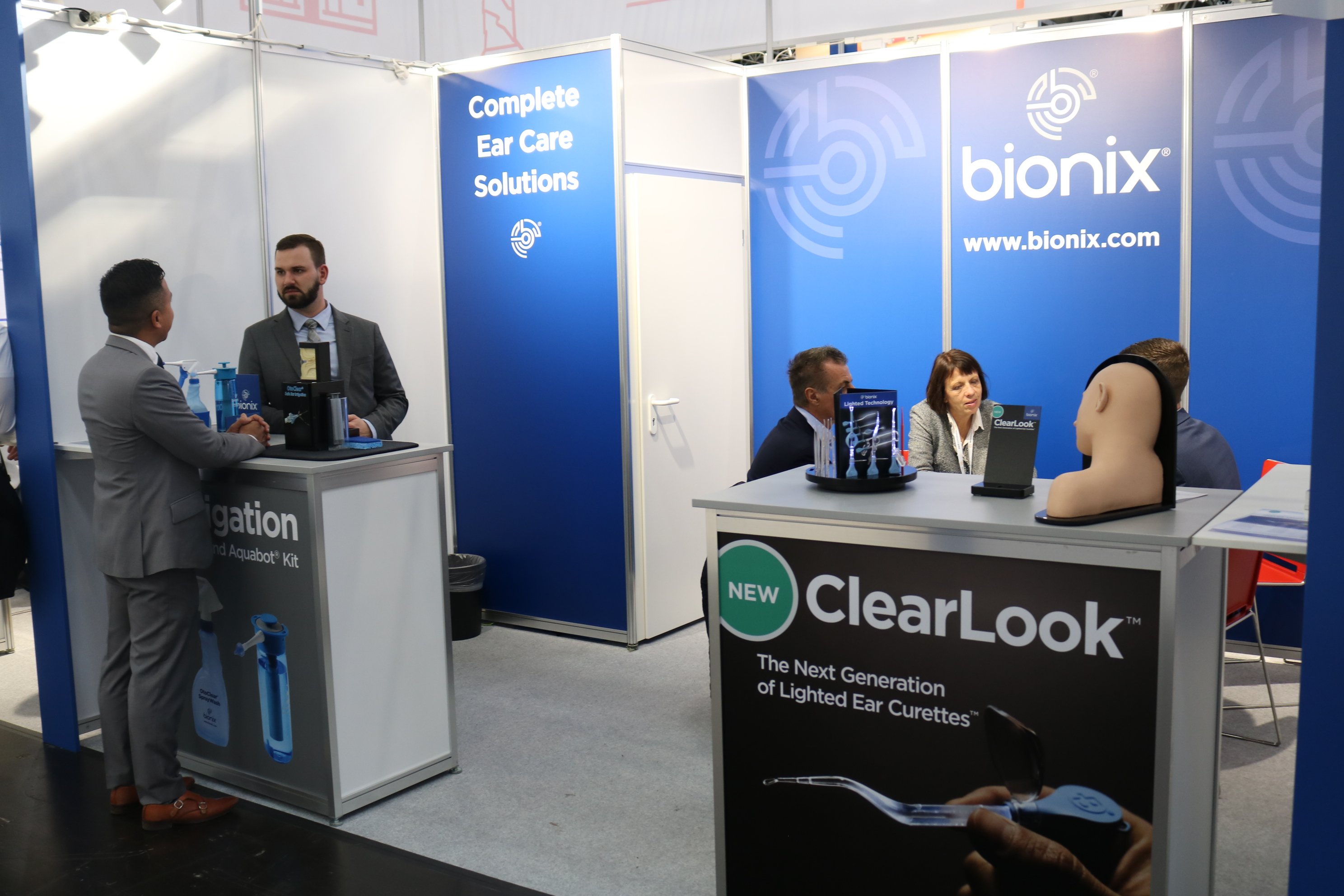
MEDICA enables companies to present products and solutions directly to European stakeholders. This environment allows for real‑time feedback on product fit, pricing expectations, regulatory considerations, and localisation needs.
Understanding how European buyers evaluate value, usability, and compliance can be critical before scaling further into the market.
4) Market research and intelligence gathering
Beyond promotion, MEDICA functions as a live market research environment. Conversations with exhibitors, buyers, and industry experts provide insight into healthcare system differences, regional demand patterns, and emerging trends across Europe.
This insight is particularly valuable for companies refining their market‑entry strategy or adapting existing products for European use.
5) Distribution and partnership opportunities
Europe’s healthcare market relies on a wide range of local and regional distribution models. MEDICA offers a concentrated opportunity to meet potential distributors and explore partnership structures across multiple countries.
Establishing the right distribution strategy is a key success factor for European expansion, and early discussions at MEDICA help companies compare options and set realistic expectations.
Turning MEDICA participation into long‑term European growth
Attending MEDICA alone is not a market‑entry strategy, but rather its value lies in how companies prepare for the event and follow up afterwards.
Organisations that approach MEDICA with clear commercial goals (such as distributor identification, market validation, or partnership exploration) are better positioned to convert conversations into tangible outcomes. Aligning trade show activity with a broader European expansion strategy is essential for sustained success.

Key takeaways
- MEDICA is one of the most influential trade fairs for entering the European healthcare market
- The event connects healthcare decision‑makers, distributors, and industry stakeholders from across Europe
- MEDICA supports market validation, partner discovery, and distributor identification
- COMPAMED complements MEDICA by covering the medical technology supply and manufacturing ecosystem
- Trade show success depends on preparation and follow‑up, not attendance alone
Planning Your Next MEDICA/COMPAMED Participation
MEDICA and COMPAMED continue to be key platforms for companies evaluating or expanding their presence in the European healthcare market. Turning trade show meetings into long‑term commercial results requires local market understanding, structured follow‑up, and a clear European go‑to‑market strategy. Working with a Europe‑based partner can help companies maximise the value of their participation.
Written by the MedTech & Life Sciences team at EuroDev.

Related articles
-

The 10 Mistakes US MedTech Companies Make When Entering Europe
Last updated: 27 August 2026Discover the 10 biggest mistakes US MedTech companies make when entering Europe, from MDR...
Read more -

MDR vs. FDA 510(k): Where U.S. Playbooks Break in Europe (and How to Fix Them)
Last updated: 2 March 2026Learn the key differences between FDA 510(k) and EU MDR, including classification changes, clinical...
Read more -
Expanding Non-Invasive Monitoring Tech into Europe: A Path for North American Innovators
Last updated: 26 August 2025Europe’s healthcare systems need scalable, non-invasive monitoring tools. Discover key...
Read more